India's Piped Gas Network Expands, Ensuring Energy Security
+AI Analysis - Key Points
- 01
India's piped natural gas network has expanded to 700 cities, connecting 1.75 crore households.
- 02
The government has ensured no shortage of gas, fuel, and urea in the country, despite the US-Iran conflict.
- 03
India aims to achieve 100 gigawatts of nuclear power capacity by 2047 and start five new nuclear reactors in the current decade.
India's piped natural gas network has undergone a significant transformation in recent years. What was once available in only 70 cities 12 years ago is now accessible in 700 cities across the country. This expansion has enabled 1.75 crore households to be connected to piped gas lines, ensuring a reliable source of energy for millions of people.
The government's efforts to ensure energy security have been successful, with no shortage of gas, fuel, and urea reported in the country. This achievement is particularly noteworthy given the ongoing US-Iran conflict, which has disrupted key energy supplies through the Strait of Hormuz. The government's measures have made urea available to farmers at a significantly reduced price of Rs 300, down from Rs 3,000.
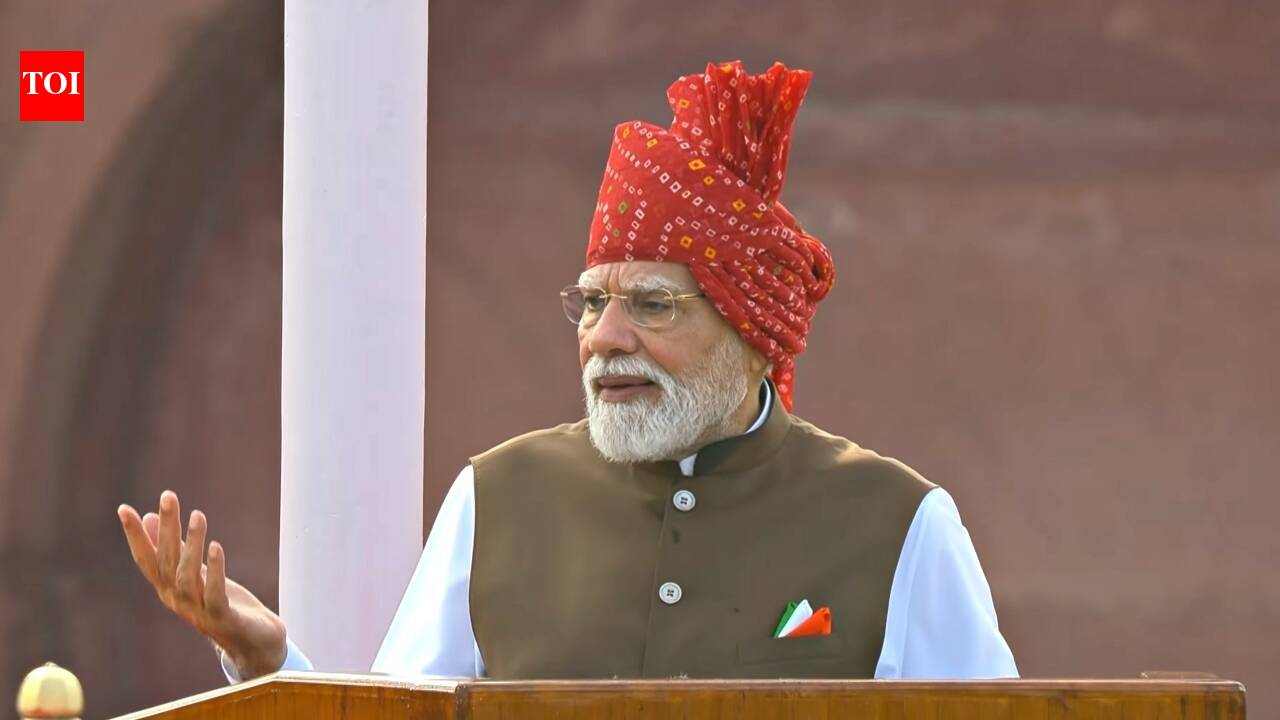
In his Independence Day speech, Prime Minister Narendra Modi emphasized the importance of nuclear power in achieving energy security. He announced that India aims to achieve 100 gigawatts of nuclear power capacity by 2047 and start five new nuclear reactors in the current decade. This ambitious target is a testament to the government's commitment to ensuring the country's energy needs are met.
The Prime Minister also highlighted the progress made in the nuclear energy sector, citing the successful achievement of criticality by the Prototype Fast Breeder Reactor (PFBR) at Kalpakkam in Tamil Nadu. This milestone marks a significant step towards achieving self-reliance in nuclear energy and underscores the government's vision for a sustainable energy future.
In conclusion, India's piped natural gas network expansion and the government's efforts to ensure energy security are significant achievements that will have a lasting impact on the country's energy landscape. The ambitious target of achieving 100 gigawatts of nuclear power capacity by 2047 is a testament to the government's commitment to ensuring the country's energy needs are met.
The government's broader vision for the sector is centered around achieving energy security, which is today's need. To this end, the government has already taken steps in this direction, including passing the SHANTI Act in Parliament. This legislation sets a target of achieving 100 GW nuclear power by 2047, underscoring the government's commitment to ensuring the country's energy needs are met.
In his speech, the Prime Minister emphasized that energy security is a key national priority. He noted that India is working towards achieving 100 gigawatts of nuclear power capacity by 2047 and plans to begin work on five new nuclear reactors during the current decade. This ambitious target is a testament to the government's commitment to ensuring the country's energy needs are met.
The Prime Minister's speech highlighted the government's efforts to ensure energy security, which is a key national priority. He emphasized that India is working towards achieving 100 gigawatts of nuclear power capacity by 2047 and plans to begin work on five new nuclear reactors during the current decade.
VideoVideo Coverage
India's Piped Gas Network Expands, Ensuring Energy Security
Watch video coverage on YouTube
Opens relevant video results on YouTube.